
Briefcases for Hedge Fund Professionals
Not every day is briefcase day, but if you're suiting up, your bag better be helping you close that deal.
These cases are handmade from the finest full-grain leather.
Price is what you pay. Value is what you get.


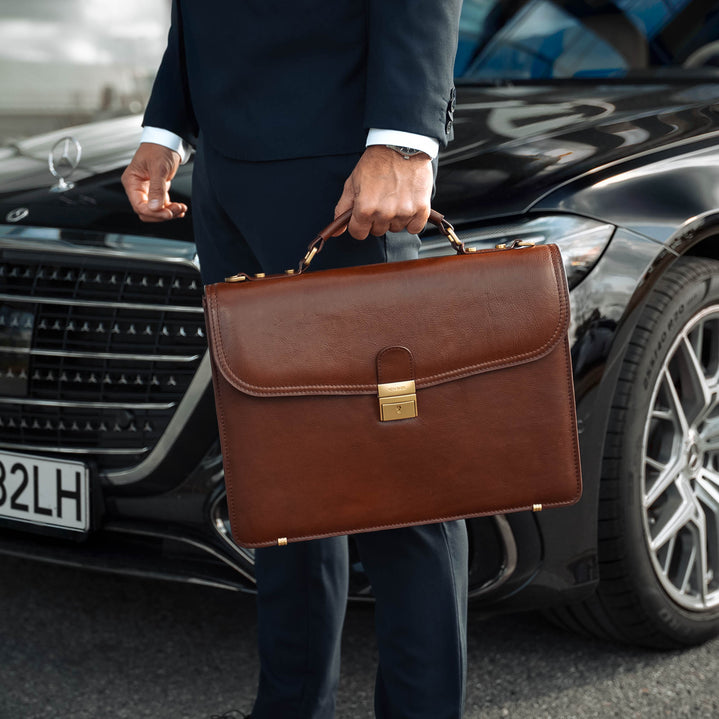
No.1
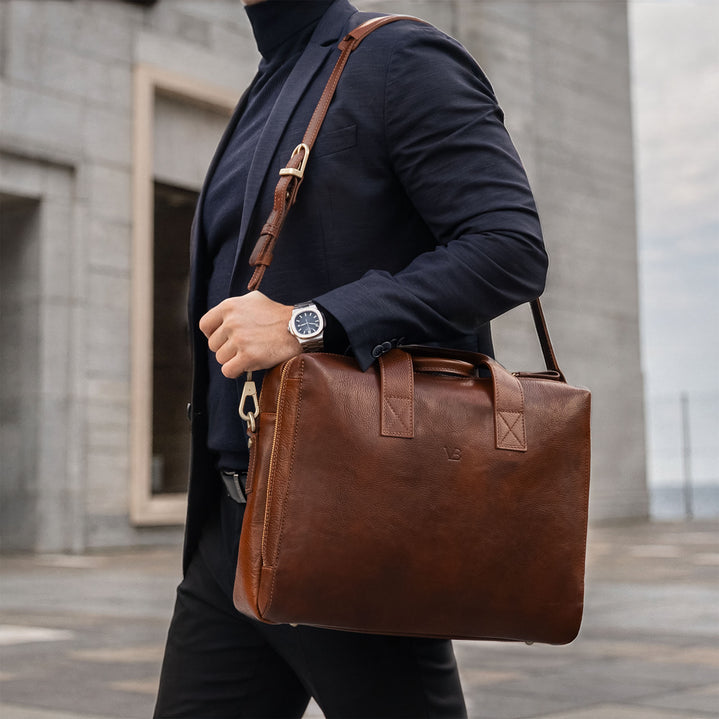
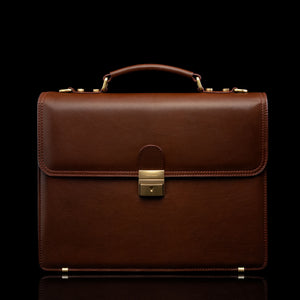
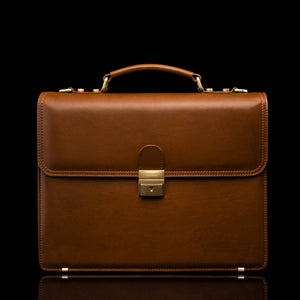
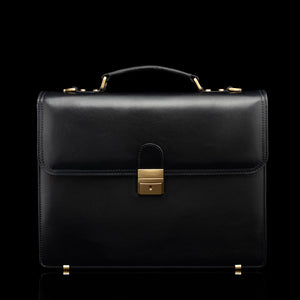
Men's Leather Briefcase
£1,495


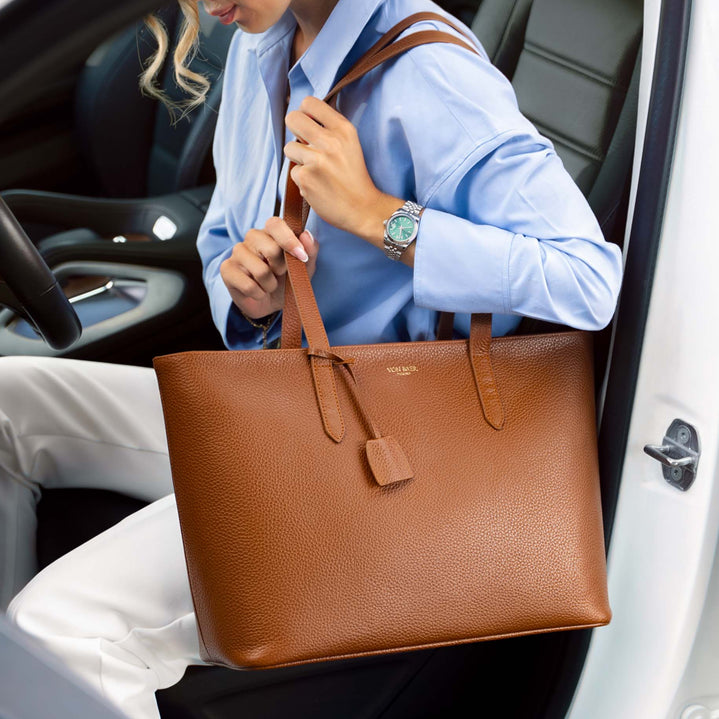
Elegance
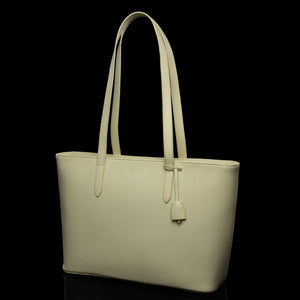
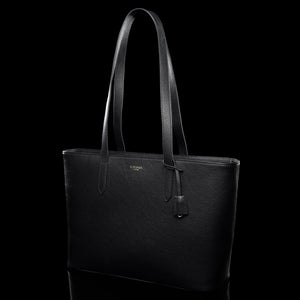
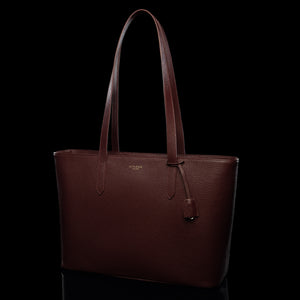
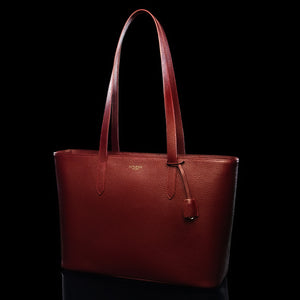
Leather Tote Bag
£995


Essential
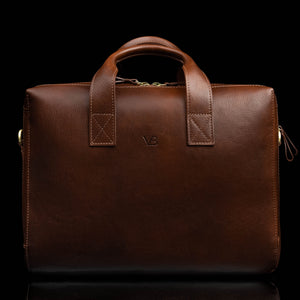
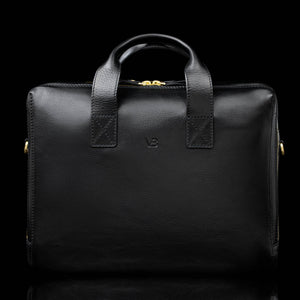
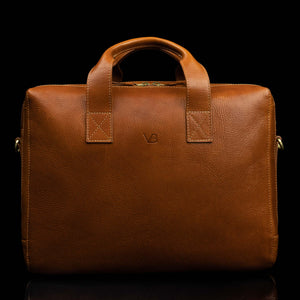
Modern Briefcase
£1,345
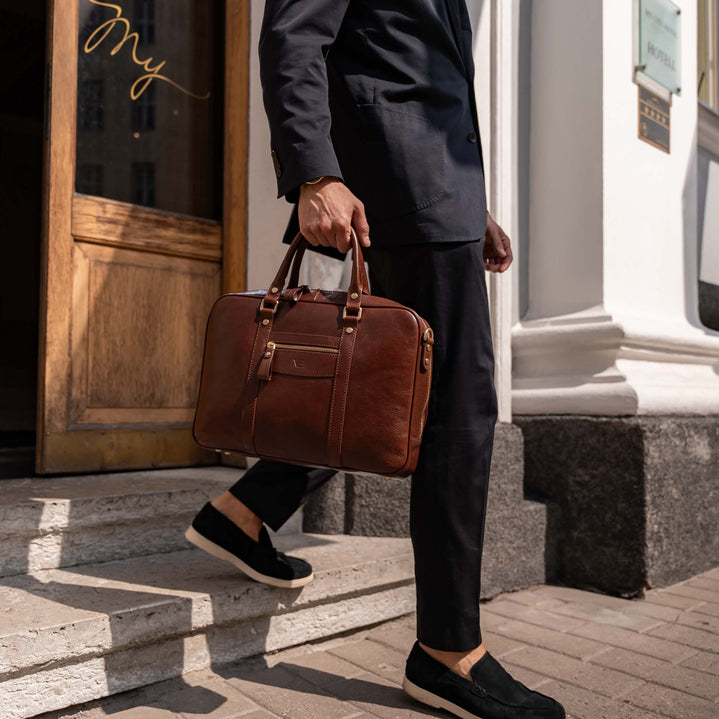
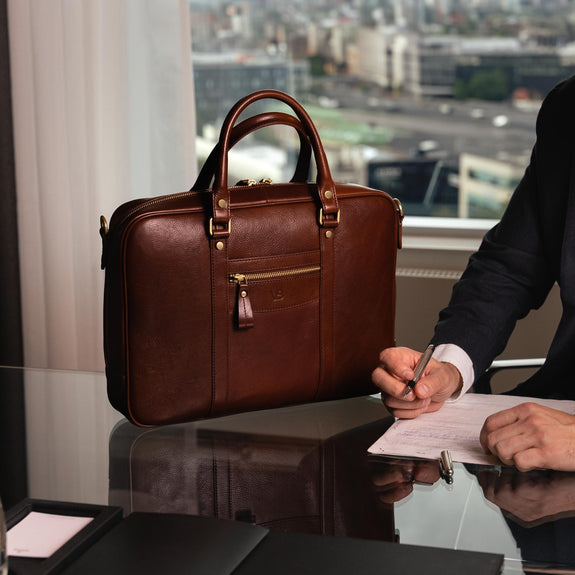
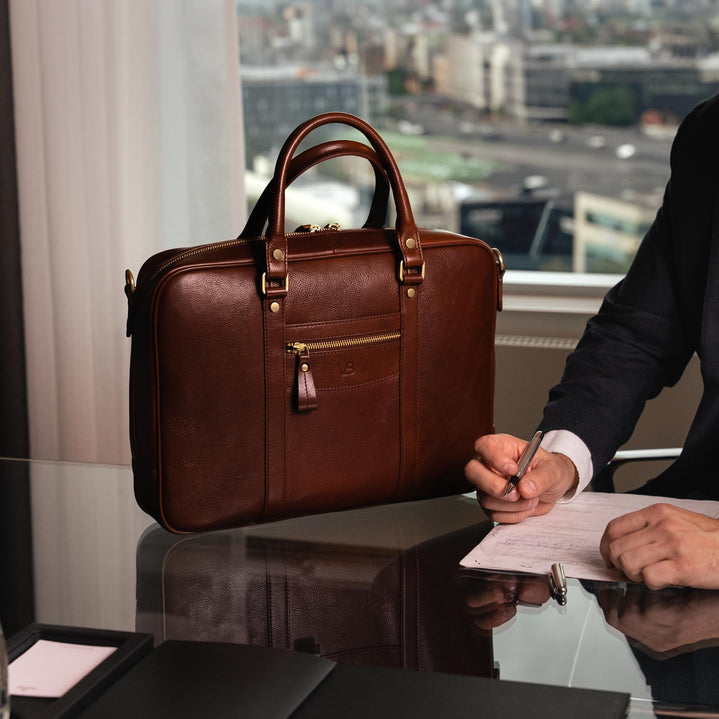
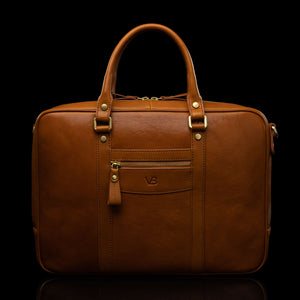
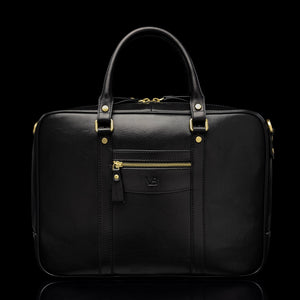
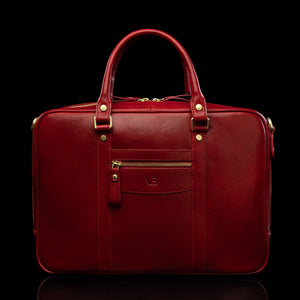
City
Leather Laptop Bag
£1,345
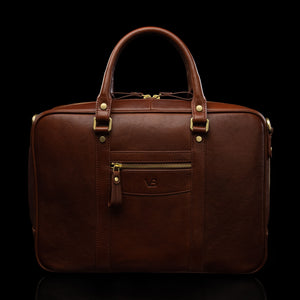


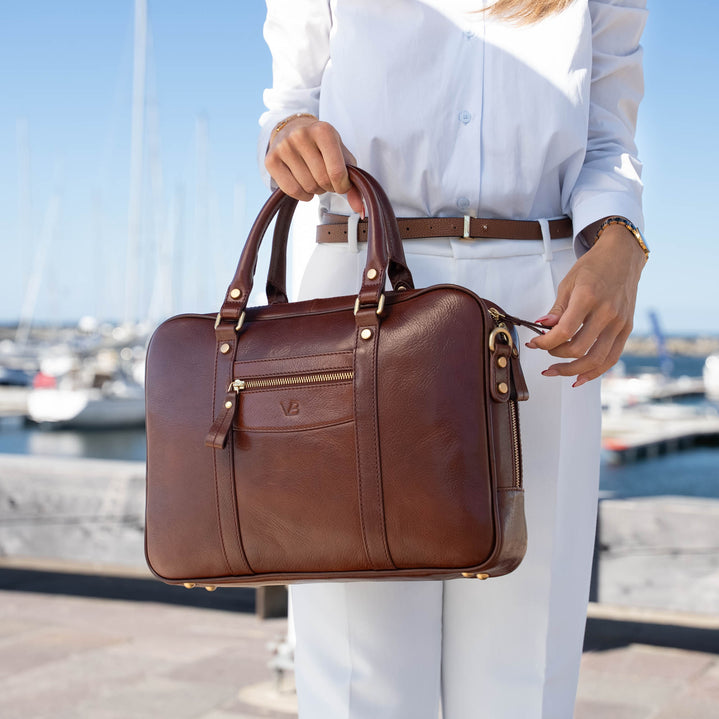
City
Women's Laptop Bag
£1,345
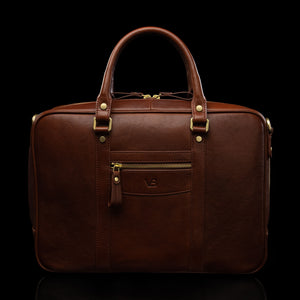
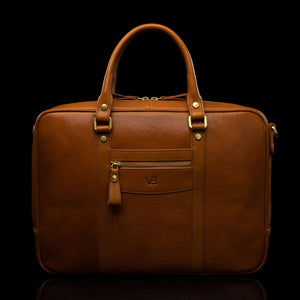
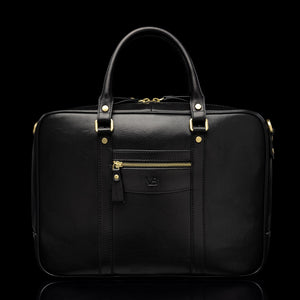
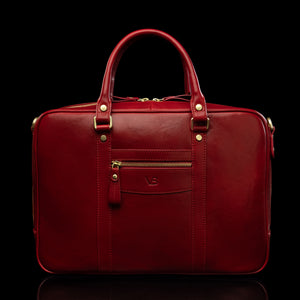


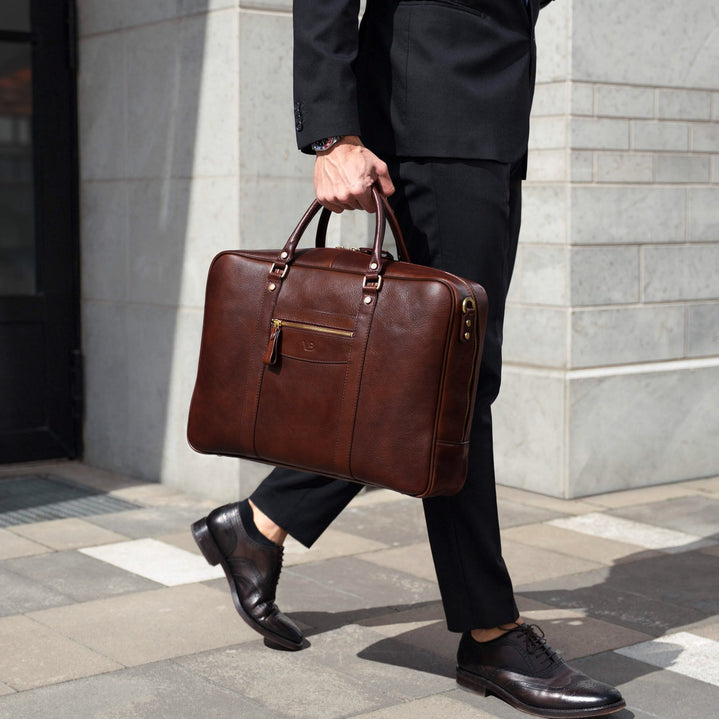
City Large
Leather Laptop Bag
£1,445
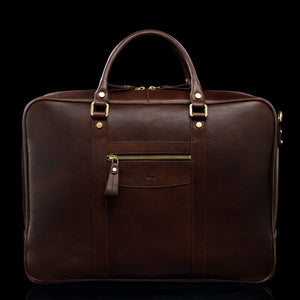
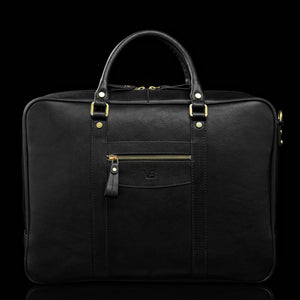
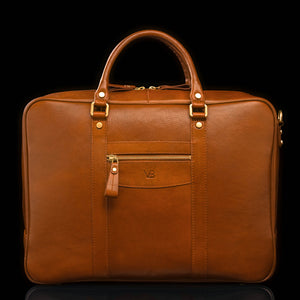
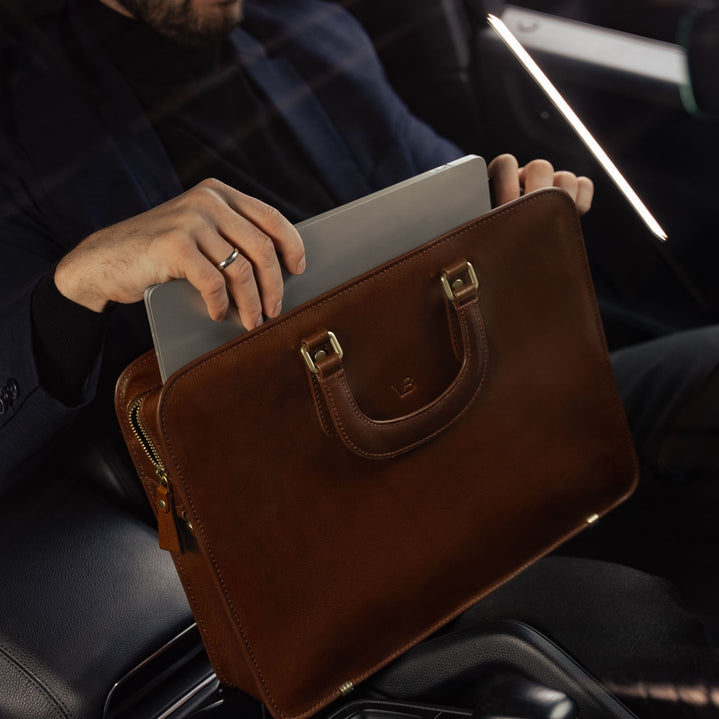
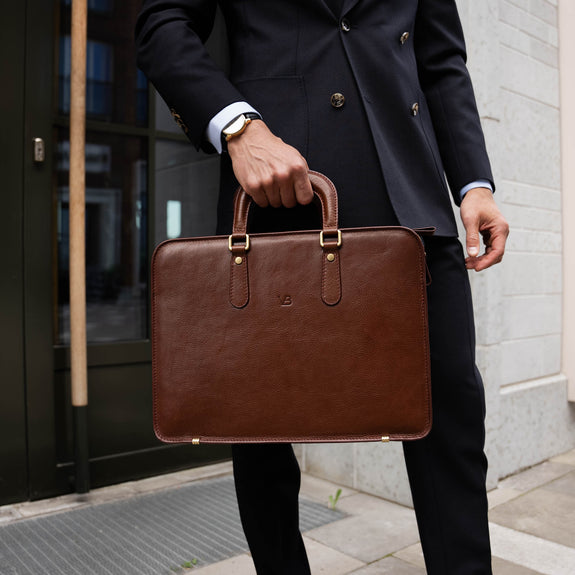
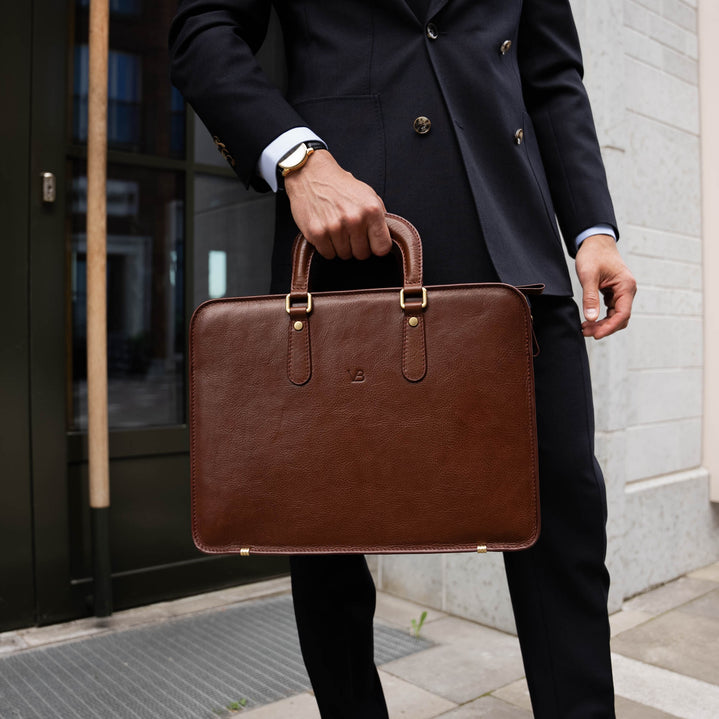
Elegant
Slim Leather Laptop Bag
£1,145
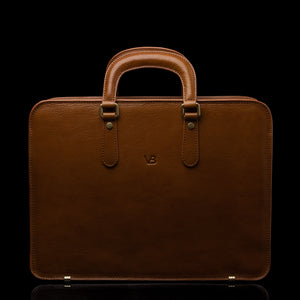


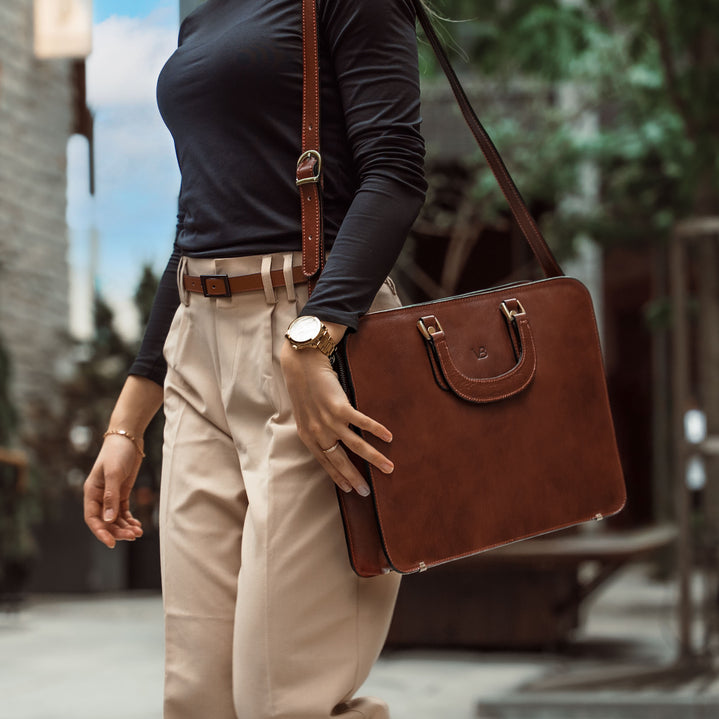
Elegant
Women's Laptop Briefcase
£1,145
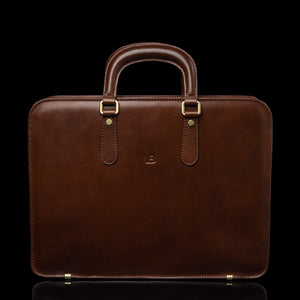
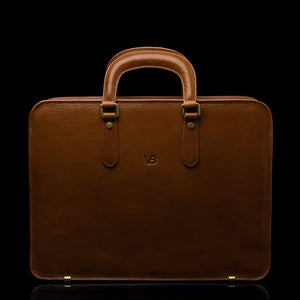
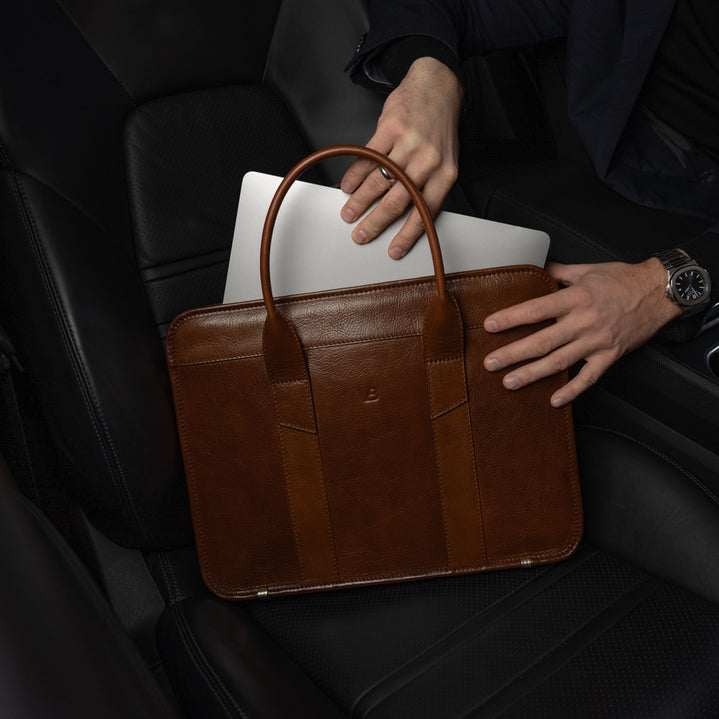
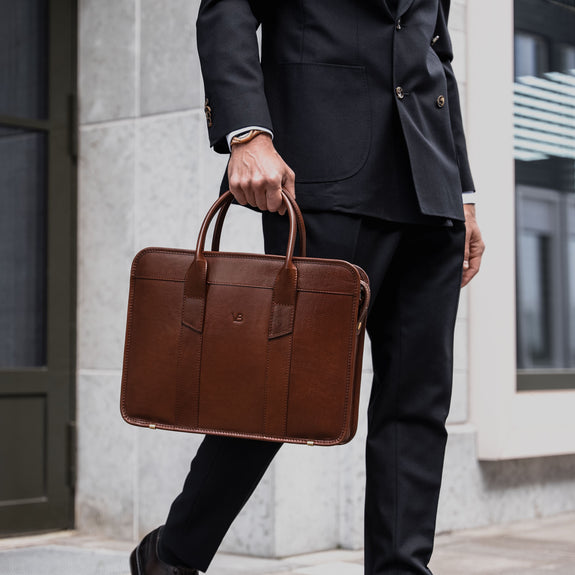
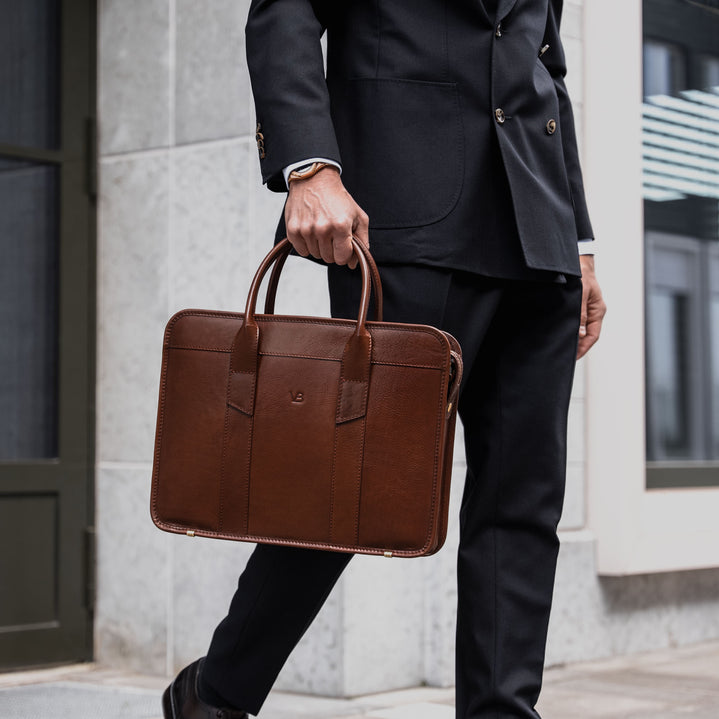
Exquisite
Slim Leather Laptop Briefcase
£1,245
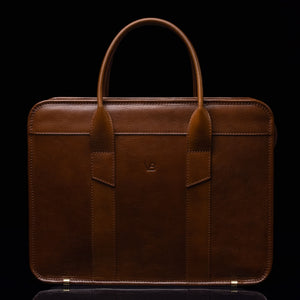
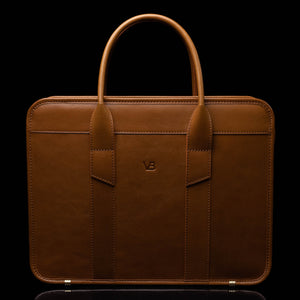
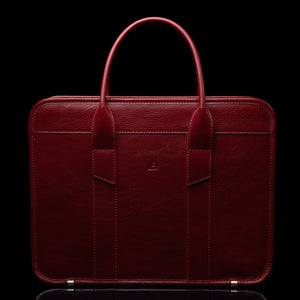

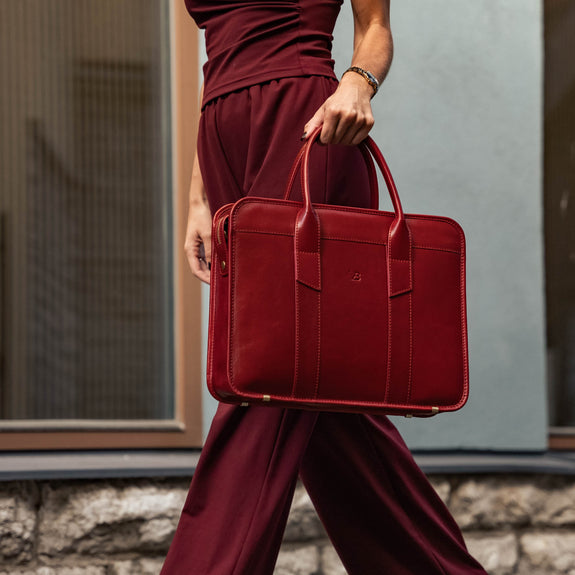
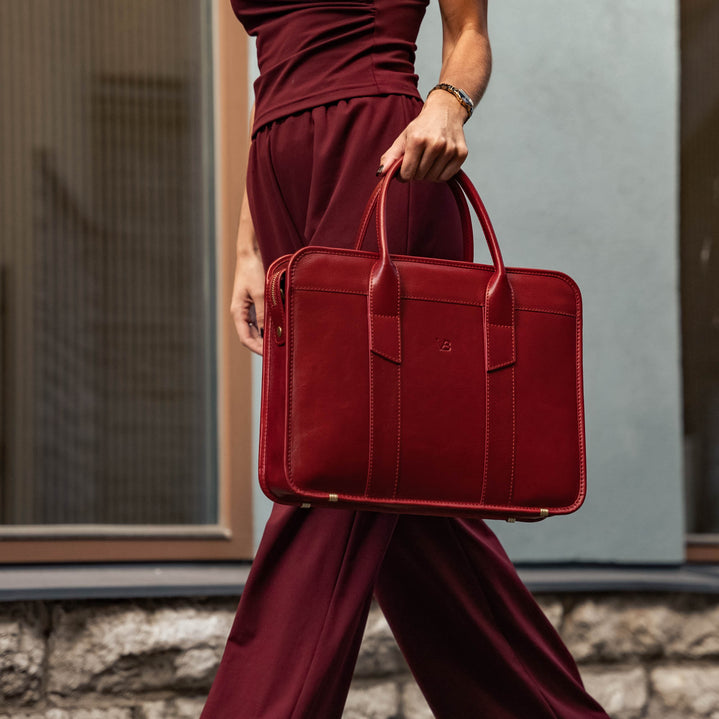
Exquisite
Women's Laptop Bag
£1,245
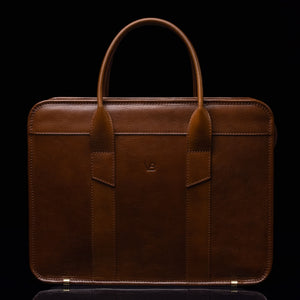
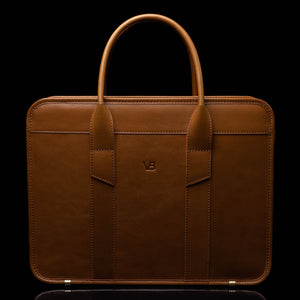
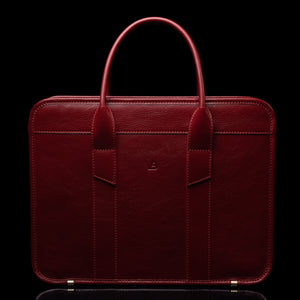


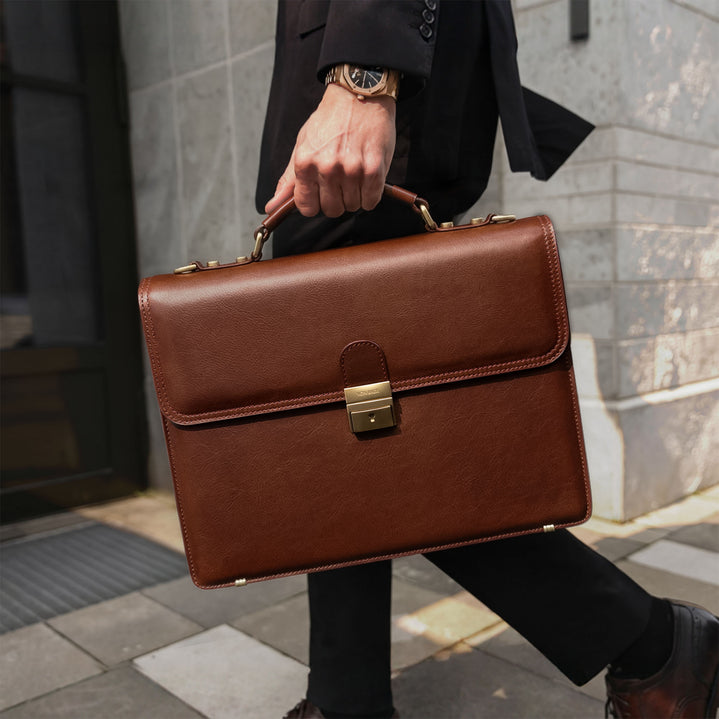
Diplomat
Men's Leather Briefcase
£1,395
AS FEATURED IN




Why Choose Von Baer?
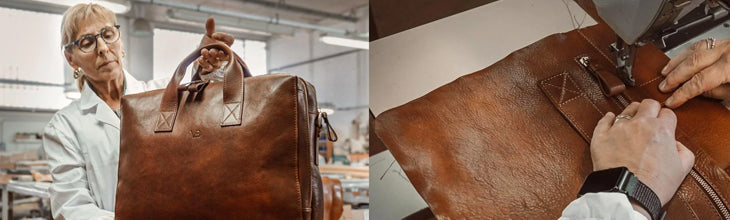
Expertly Handcrafted Leather Products
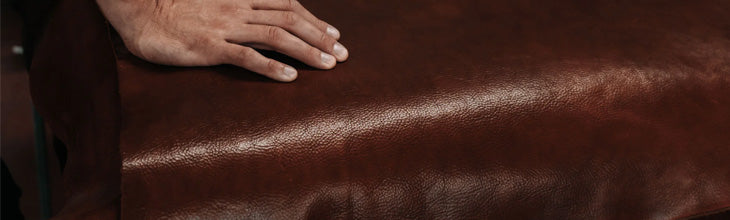
A-Grade Full-Grain Leather
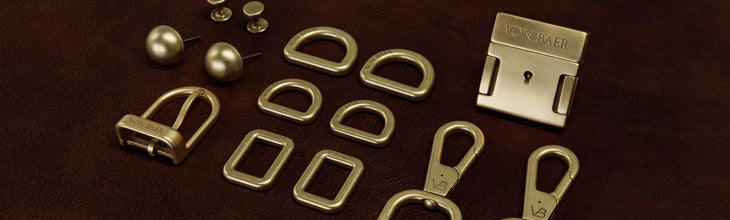
Strong Hardware for a Lifetime of Use
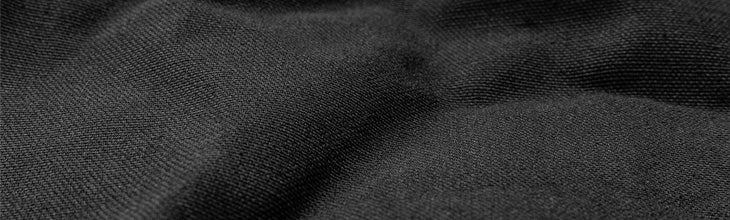
Luxurious & Durable Cotton Lining
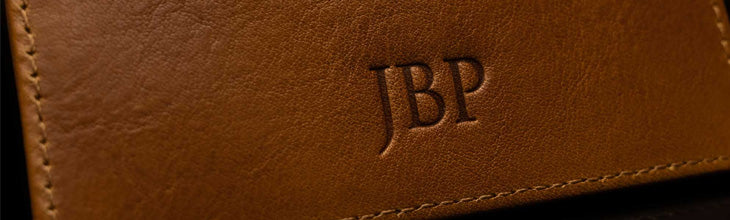
Personalize With Embossed Initials
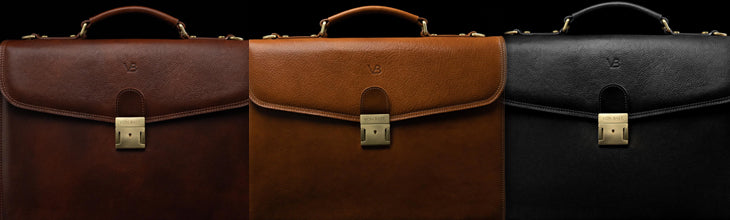
Exquisitely Rich-Hued Leather for Refined Tastes
Buyer's Guide
1. Which briefcases are truly crafted with heritage-level leather that will age with dignity - not just marketed that way?

Alright mate, here’s the deal - ignore all that "premium leather" spiel.
Everyone says that, and it could be full of hot air.
"Italian-made" might mean one guy finishing handles near Florence while the rest happens in some warehouse offshore with a heat press.
You want traceable tannery names. Those are like the Bordeaux first-growths of leather. Small-batch farms, proper hides, full fiber density. Tighter collagen = no weak spots = the damn thing lasts decades.
That's why each Von Baer bag comes with a certification of leather origin, so you know you're getting truly high-end full-grain leather.
And the leather? That’s the heartbeat. Look for A-grade full-grain, cut from the bend where the fibers are densest, and drum-dyed so the color runs right through. Corrected leather? Perfect on day one, tired by year three. Good full-grain is different - it keeps its clean grain and structure where your hands rest, year after year. That’s the story you actually want.
Try this trick: bend the handle. Real leather creases; fake stuff cracks or makes that weird plastic sound. You want 5-6 mm thickness, tensile strength north of 25 MPa, elongation under 40%. If you’re a numbers nerd, full-grain’s got tear resistance around 50-70 N/mm, splits are 20-30 N/mm.
Don’t sweat the heft either - a single-gusset one runs 1.6-2.3 kg, a double hits 2.8-3.4 kg. Yeah, that’s solid, but that’s what integrity weighs. Kinda like carrying a 15” MacBook Pro plus your morning Financial Times in leather form.
You’ll know when you’ve got a real one - it doesn’t stay "new" long. It looks lived-in, like a proper tailored jacket.
Learn more about leather grades here.
...and once you’ve sorted the hide, next up’s shape - because people spot that before they ever touch it.
2. Does this briefcase design project the kind of understated prestige that senior finance professionals recognize - without looking like I’m trying to impress anyone?

You’re walking that thin, brutal line - authority without trying.
People in your orbit, man - LPs, partners, old City guys in navy and horn rims - they notice everything. The silhouette, the hardware tone, the stitch count.
The design and branding can't be overtly loud; they need to be modern and let the materials speak for themselves (over the decades of your career).
Hardware’s a silent tell. Brushed silver-tone? That’s quiet authority. Polished gold-tone? Bit more old-school. Gunmetal’s the "I’m efficient" pick but isn't as classy. Stitch density’s worth checking - 9-10 stitches per inch with identical tension on every stitch is precision; below 6? Corner-cutting. Thread gauge too - 0.55-0.65 mm thread stays tight for decades. Cheap ones use 0.3 mm synthetic junk that snaps first winter.
Handle’s gotta pass the ten-minute call test. Hold it, chat about markets. If it digs in, that’s foam under there. Proper rope core? Around 28-32 mm diameter, flexes maybe 3-4° under load. It’ll sit right in the hand, no palm ache walking from 375 Park Ave to Cipriani.
Best pieces don’t announce themselves. They just belong.
Learn more about types of briefcases here.
Alright, now under the hood - durability. That’s where the real money difference hides.
3. Is this briefcase built to last decades of daily professional use, or does it just look durable?

Here’s the dirty secret: most "luxury" briefcases are Instagram props.
They look solid, until the corner starts peeling or the handle sags in year two. Real strength? Precision lockstitching with identical tension on every stitch, back-tacked at the stress points, so the seam holds under load. Chain stitch unravels with one break.
Frame structure’s the next test. You want leather board where the bag needs rigidity - dense genuine leather fiber, not cardboard or plastic sheet. Press the side - should spring back, not crunch. Each panel weighs 250-300 g, just enough backbone without feeling like luggage.
Hardware - the grade matters more than the metal. Good hardware has weight and a clean, smooth mechanism; cheap stuff sounds tinny and feels loose. You want clasp pressure between 2.2-2.6 kgf - snug, not finger-breaking.
Inside counts more than the outside sometimes. Canvas or pigskin suede linings breathe - they handle temp swings from Wall Street wind chill to 78°F boardroom air. Microfiber linings trap humidity, bubble over time. If you’ve got tech in there, look for 5-8 mm closed-cell foam padding, ideally wrapped in cotton twill.
Do a hang test: chuck in 4-5 kg of gear, hang it a week. Any stretching at the base? Done. Heirlooms don’t flinch. Handle anchors should have two reinforced rivets per side. Less, and it’s gambling with gravity.
Once you’ve found one that could outlive your career, we get into minimalism - where brands either earn your respect or quietly rip you off.
4. How do I know this briefcase's minimalist approach isn’t cutting corners on craftsmanship?

Minimalist stuff’s dangerous. Could be monk-level discipline or a cost-cutting disguise. Depends on who made it.
Edges first - that’s where fakes expose themselves. Run your finger along. Good ones carry a multi-coat engineered finish - binder, filler, top coat - that stays flexible at the flex points. A single quick coat of rubberized paint? Sharp, cold edge. It’ll flake like dry paint by year three.
Hardware integration’s next. On the good ones, hinges, rivets, zippers all sit recessed. Flush with leather, gaps under 0.3-0.5 mm. Over 1 mm? You’re looking at a rushed factory job.
Top brands? Hand-drawn templates, each panel aligned under 0.5 mm tolerance. It’s insane. You’ll never notice it till you’ve handled a bad one and suddenly do.
Inside the flap - feel it. Foam? Nope. You want leather stiffeners, no filler. Stack thickness around 4.8-6 mm total. Thin but unkillable.
Ask about bar-tacks - 4-6 minimum. If they shrug it off, they’re cutting labor. Each one uses 3 cm of waxed linen thread, tensioned at about 5 N. No one sees them, but they hold your world together.
We compared the best work bags for investment bankers here.
So yeah, minimalism done right? Like a perfectly tailored white shirt. No flash, no hiding spots. Once that’s checked off, we’ve gotta deal with color, texture, structure - the stuff that decides if you’ll still like it in five years.
5. Will this briefcase's color, texture, and structure complement a bespoke suit aesthetic and still feel modern in five years?

This is where taste can ruin you. You fall for a nice tone now, hate it later. I’ve seen it.
Black bridle? Steady, strong, shows scuffs but commands respect. Perfect with charcoal or pinstripes - think JPMorgan boardrooms. Espresso brown? Deepens to chestnut, good middle ground. Navy? Understated flex - killer with mid-grey suits, pale shirts. Cognac? Stunning fresh, unpredictable later. Suits the softer, Italian crowd.
Structure’s where style meets ergonomics. Frames look proper with Huntsman-cut suits - angular, clean. Soft gussets play nice with unlined Neapolitan jackets. Depth-wise, 9-12 cm for double-gusset, 6-8 cm for single. More and you’re in duffel territory. Opening angle? 30-35° - anything wider stresses seams over time.
Avoid heavy coatings. They’ll crack under office AC swings. Go for a light finish that lets the natural grain show. Breathes. Check for ≥4 Blue Wool Scale lightfastness - means it won’t fade under fluorescent hell.
Quick trick: white light test. Uniform sheen = true dye. Patchy reflection = sprayed pigment. That’s a three-year ticking clock right there.
If you're interested, we have a curated range for investment bankers here, and for wealth managers here.
Once it fits your rhythm - wardrobe, age, pace - it’s down to what message it sends when it hits the table.
6. If I carry this briefcase into a boardroom or investor meeting, what silent message will it send about me?

Everyone in your world reads stuff like this subconsciously. That bag’s the first impression before the handshake.
Science backs it. Accessory consistency boosts perceived trustworthiness by up to 37%. Limbic system magic. They tag you "reliable" before you talk.
You want alignment - the visual kind. Briefcase lines echoing your watch, hardware tone syncing with your cufflinks. Handle pitch 45°-50°? That’s balance. Feels right. Looks deliberate.
Don’t baby it either. Perfectly untouched after ten years? Looks performative. Use it every day, condition it twice a year, and it will keep its refined look. That’s what care looks like.
If you want it to last - go bridle leather with 4.5-5.0 pH, keep it conditioned twice a year with pH-neutral balm around 7.0. That’s your maintenance hack.
So yeah... not about vanity. It’s calibration. It’s like choosing how you sign your name - consistent, calm, unmistakable. The briefcase? It’s not there to brag. It’s there to tell the room you’ve done the work, you’ve earned your quiet, and you’re not going anywhere.
Prefer a backpack for daily use? See this range.
How Is Von Baer Leather Different?
Not all leather is the same.
Since 2015, we at Von Baer have dedicated ourselves to high-quality real leather.
Here's a 30-second summary of how to choose a better leather product:
- Leather comes in different grades: full-grain, top-grain, and split/bonded - which represent how much of the original hide is used (less hide used = cheaper).
- Full-grain is the best grade of leather you can buy: exceptionally durable, with the natural grain of the hide preserved in full, and that beautiful real leather smell.
- Cheaper grades are less durable, age poorly, and don't have that authentic scent.
That's why here at Von Baer, we use A-grade full-grain leather - the top selection grade, chosen for tight, fine, consistent grain.
It's also why we developed the leather standards trademark Cuoio Superiore (meaning "superior leather" in Italian).
Learn more about Von Baer here.