
Classic vs Modern Briefcase: How to Choose the Right Style

The classic vs modern briefcase question is less about looks and more about how you work.
Line up the options available today and you'll see two fundamentally different designs:
- The structured flap-over classic with a lock and deep gussets
- The slimmer, lighter modern version built around a padded laptop compartment.
Both survive daily professional use. Neither is wrong. But they solve different problems, and the right choice depends on your actual routine - not which one photographs better.
We design and build both. Here's how we think about the decision.
The Quick Answer
- A classic briefcase is the better choice if you work in a traditional industry (finance, law, consulting), carry documents alongside your laptop, and want a bag that signals quiet authority.
- A modern briefcase wins if you move between contexts regularly, travel frequently, and carry primarily a laptop and essentials.
If you want the classic look without the bulk, there's a middle ground - slim classic designs that carry modern.
Side-by-Side Comparison
| Factor | Classic Briefcase | Modern Briefcase |
|---|---|---|
| Silhouette | Structured, defined edges, boxy profile | Slim, streamlined, softer profile |
| Closure | Lock-and-key or buckle flap | Zip-top or magnetic snap |
| Capacity | Deep gussets, room for documents + devices | Flatter profile, laptop-centric layout |
| Typical weight | 1.3-1.6 kg (more leather, more hardware) | 0.9-1.2 kg (less material, fewer fittings) |
| Laptop fit | Up to 16" with padding | Up to 15.6" with padding |
| Formality | Boardroom-ready, traditional industries | Professional but cross-context versatile |
| Best for | Finance, law, consulting, client-facing roles | Tech, creative, hybrid work, frequent travel |
What Defines a Classic Briefcase

A classic briefcase has specific DNA: a structured body, a flap closure with a lock, deep gussets for volume, and a silhouette that reads "serious professional" from across a room.
This isn't just aesthetics. The structure is there for practical reasons. Deeper compartments hold legal documents flat without bending. Lock closures protect confidential files - and in industries where client data travels with you, that's not optional. The rigid shape keeps the bag upright on a desk or conference table.
Sounds like a small thing until you've watched a soft bag topple sideways during a client meeting. (It happens more than you'd think.)
If you work in finance, law or consulting, this shape has been the default for decades because it signals preparation. It says what's inside matters enough to protect properly.
The trade-off is weight. A triple-gusset classic briefcase with solid brass hardware and full-grain leather typically weighs 1.3-1.6 kg before you put anything in it. If you commute by car or walk short distances between meetings, that's irrelevant. If you're running through airports three times a week, it's worth thinking about.
(We break down all the styles in our types of briefcases guide.)
What Defines a Modern Briefcase

The modern briefcase exists because the way we work changed. When laptops replaced paper files as the primary cargo, bags adapted. The modern briefcase is thinner, lighter and designed around a padded device sleeve rather than a document compartment.
The defining features: zip-top access (faster than unbuckling a flap), a slim two-compartment layout, minimal hardware, and a profile that works in a client presentation, on a plane and in a co-working space without feeling overdressed or underdressed at any point.
That flexibility matters now in a way it didn't twenty years ago. "Work" used to mean one building and one dress code. Now it might mean three locations and three contexts in a single day. We've seen this shift in what our customers ask for - five years ago, the classic outsold the modern 3-to-1. Now it's closer to even.
The trade-off is structure. Less rigidity means less protection for documents. No lock means relying on zippers for security. And the slimmer profile means you're choosing what to carry rather than bringing everything.
Materials and Construction

Classic Briefcase
A quality classic briefcase uses more leather by surface area. The large, unbroken panels of a flap-over design demand full hides of consistent quality - you can't hide inconsistencies behind seams when the front panel is a single piece.
The hardware is more substantial too: solid brass locks, buckles and fittings that add weight but outlast plated alternatives by years. Brass develops its own subtle patina over time. Plated zinc alloy chips and peels - and once it starts, the whole bag looks tired regardless of the leather.
Zippers are the other place to look. Japanese precision brass zippers are cycle-tested into the tens of thousands of pulls. Generic zippers fail at a fraction of that count. In our experience, a dead zipper is how most bags actually die - not worn-out leather.
Modern Briefcase
A modern briefcase uses less leather overall - smaller panels, more stitching joins, often a slimmer gusset. The hardware is lighter: brass or metal zippers rather than locks and buckles.
This reduces weight but also means fewer structural reinforcement points. A modern briefcase's longevity depends more heavily on stitching quality and zipper durability than a classic's does - which is why the zipper brand matters even more here.
What Actually Matters
Here's the thing no one says in most briefcase comparisons: the material matters more than the shape. A poorly made classic briefcase in corrected-grain leather will look worse after six months than a well-built modern one in full-grain vegetable-tanned leather. The question isn't classic or modern. It's what's the leather, what's the hardware, and what's the lining.
Full-grain vegetable-tanned leather ages differently from chrome-tanned leather. Vegetable tanning uses natural tannins from tree bark - a process that takes weeks rather than the hours chrome tanning requires. The result is leather that develops a patina: a rich, warm depth that no amount of chemical treatment can replicate.
Chrome-tanned leather stays more uniform but never develops that same character.
The lining tells you something too. Cotton canvas breathes. Synthetic linings trap moisture and develop odours faster. You won't notice on day one. After a year of daily use carrying your lunch alongside your laptop, you will.
(Our briefcase materials guide covers these differences in detail.)
Weight and Daily Carry
Classic Briefcase
A classic briefcase typically weighs 1.3-1.6 kg empty. Add a laptop (1.4-2.0 kg), charger, documents and daily essentials, and you're carrying 3.5-5 kg total. If you commute by car or take a train with minimal walking, that's comfortable.
If your commute involves cycling, 20-minute walks or navigating busy stations, that cumulative weight matters - especially at the end of a long day.
Modern Briefcase
A modern briefcase typically weighs 0.9-1.2 kg empty. Same loadout, you're at 3.0-4.5 kg total. The difference is 300-500g - roughly the weight of a can of beans. Doesn't sound like much. But carried daily over a shoulder strap for 30-40 minutes, you feel the difference by Friday.
What Actually Matters
If your daily carry involves significant walking or public transport, the modern briefcase gives you a measurable comfort advantage. If you drive and carry the bag short distances, the weight difference is negligible and the classic's additional capacity becomes the more relevant factor.
Professional Context

Classic Briefcase
In traditional industries - private equity, M&A, litigation, management consulting - the briefcase you carry is part of the uniform. A structured leather case with brass hardware and a lock signals preparation, attention to detail and seriousness. In these environments, your bag isn't just carrying your things. It's carrying your credibility.
Court appearances are the clearest example. A litigation partner arriving with a slim nylon laptop sleeve sends a different signal than one with a structured leather briefcase. People notice. We've had customers tell us their No.1 has outlasted three associates and two offices - the bag becomes part of their professional identity.
Modern Briefcase
In tech, creative industries, startups and hybrid workplaces, a traditional briefcase can feel overdressed. The modern briefcase reads as professional without being stiff. It says "I take my work seriously" without implying you're about to deliver a hostile takeover proposal.
If your week includes video calls where nobody sees your bag, a co-working space, a client meeting and a flight - the modern briefcase adapts to all four without creating a visual mismatch at any point.
What Actually Matters
Your primary professional context should drive this choice. If clients in traditional industries are watching, classic. If your environment values substance over formality, modern. Most people don't live entirely in one world, but lean toward the one where the stakes of getting it wrong are higher.
How They Age
Classic Briefcase
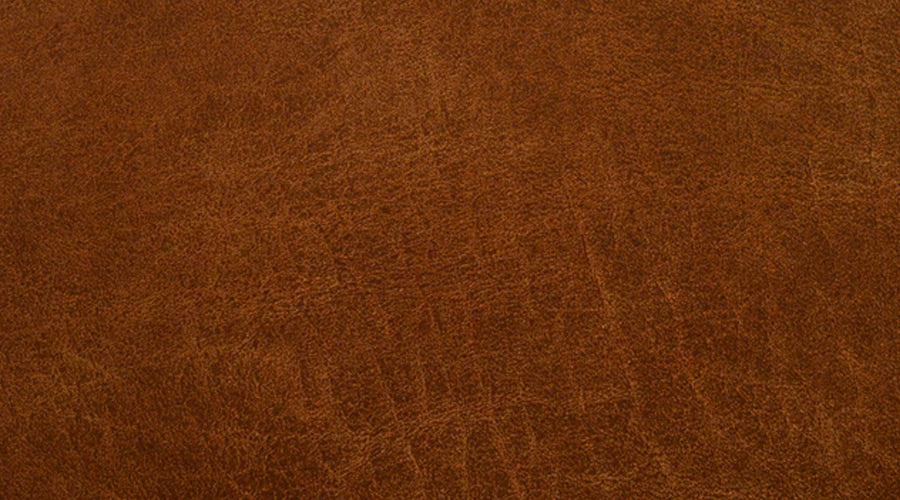
This is where vegetable-tanned full-grain leather really earns its cost. The large, unbroken panels of a classic briefcase give the leather room to develop character - darkening slightly, forming patina marks from how you carry it, developing a depth that's unique to your specific bag. After three years of daily use, a well-made classic doesn't just look "used." It looks like it has a story.
The natural tannins in vegetable-tanned leather react with sunlight, oils from your hands and everyday exposure. Chrome-tanned leather simply doesn't do this. It's one of the genuine trade-offs of each tanning method - chrome gives you consistency, vegetable gives you character.
Modern Briefcase
Modern briefcases develop patina too, but the effect is subtler. Smaller panels, more stitching breaks and a slimmer profile mean less uninterrupted leather surface for the aging to show. The bag still improves with time - it just does it quietly.
What Actually Matters
If the idea of a bag that tells a story appeals to you - one that genuinely looks better at year three than at year one - the classic shape gives you more canvas to work with. If you prefer a cleaner, more consistent look that evolves subtly, the modern shape delivers that.
(Patina develops differently depending on the colour you start with. We cover this in our briefcase colours guide.)
Versatility Across Dress Codes
Classic Briefcase
You can carry a classic briefcase with jeans - if the rest of the outfit holds its own. A well-fitted blazer and clean shoes? Works. Joggers and trainers? Looks like you grabbed the wrong bag on the way out.
The classic reads as intentional. It needs the rest of your look to match that energy. Not necessarily formal, but deliberate. Smart casual with a classic briefcase signals confidence. Sloppy casual with a classic briefcase signals confusion.
Modern Briefcase
The modern briefcase is more forgiving here. Its slimmer, less structured profile blends into a wider range of outfits without creating a visual mismatch. Suit, smart casual, dark jeans and a good jacket - it carries across all of them. If your wardrobe swings between suited and casual on different days, the modern shape adapts more easily.
What Actually Matters
If you dress in a consistent register most days, either works. If your dress code varies significantly day to day, the modern briefcase is the safer bet.
Choose Your Style
Choose a classic briefcase if you:
- Work in finance, law, consulting or a traditional corporate environment
- Regularly attend formal client meetings or court appearances
- Carry documents, folders and files alongside your laptop
- Commute by car with short walks between parking and office
- Value the way quality leather develops visible character over years
Choose a modern briefcase if you:
- Work in tech, creative, startup or hybrid environments
- Travel frequently for business (30+ flight segments per year)
- Carry primarily a laptop, charger and essentials - not heavy documents
- Commute by public transport, cycling or long walks
- Need one bag that works across three or more dress code contexts per week
(If you travel regularly for work, our best travel briefcases guide compares options for frequent flyers.)
How We Build Both
We build both styles because professionals need both. What doesn't change between them is the material standard.
Every Von Baer briefcase uses Cuoio Superiore certified full-grain leather. That certification isn't self-declared - it requires laboratory testing of each leather batch and on-site tannery audits at least every three years. Every piece of hardware is checked four times by four different teams. The lining is natural cotton canvas. Whether you choose a classic or modern silhouette, the material foundation is identical.
The classic route:

The No.1 is the definitive traditional briefcase - triple-gusset design, secure lock closure, padded laptop compartment for devices up to 16 inches. Built for professionals who carry more than just a laptop: documents, files, notebooks and everything a full working day demands.
The No.3 takes the classic silhouette and makes it leaner. One compartment, minimalist layout, lock closure, luggage strap for business travel. Fits a laptop up to 15.6 inches (including the MacBook Pro 16") at 1.4 kg. If you want classic aesthetics with a modern carrying philosophy, this is the middle ground.
The modern route:

The Essential is a clean two-compartment modern briefcase with a slim profile, detachable shoulder strap, quick-access back pocket and airline personal item compliance. Carries a laptop up to 15.6 inches at 1.1 kg - roughly half the weight of a triple-gusset design.
All three include complimentary blind-embossed personalisation. No charge, no minimum order.
(For a side-by-side look at all our briefcases, see our best leather briefcases guide.)
Our Verdict
Either style will serve you well for years if the materials are right. The shape is a preference. The leather, hardware and construction - that's what determines whether you're still carrying it in five years or shopping for a replacement.
If we had to pick one rule: match your bag to your highest-stakes context. If that's a courtroom or a boardroom with traditional clients, go classic. If that's an airport and a co-working space, go modern. And if you genuinely split your time between both worlds, the No.3 sits right in the middle - classic in design, modern in carry.
That's the fork. The leather quality on both sides of it should be the same.

Author: Igor Monte
Igor Monte is the co-founder of Von Baer. He's an expert in all things premium leather, from being an end-user right up to the design and manufacturing process. His inside knowledge will help you choose the best leather product for you.
We strive for the highest editorial standards, and to only publish accurate information on our website.




Leave a Comment
Your email address will not be published.